


In recent years, customized semi-trailers have gradually become a new market trend, with more people inclined to choose the most suitable models to improve transportation efficiency, reduce costs, and ensure safety.
How to choose a semi-trailer based on freight requirements?
1.Choose by type of cargo

General cargo transportation: Curtain side semi trailer or stake semi trailer are optional, suitable for general goods such as daily necessities and building materials.
Cold chain logistics: Refrigerated semi trailer are required, with stable temperature control systems,suitable for perishable goods like fresh produce and pharmaceuticals.

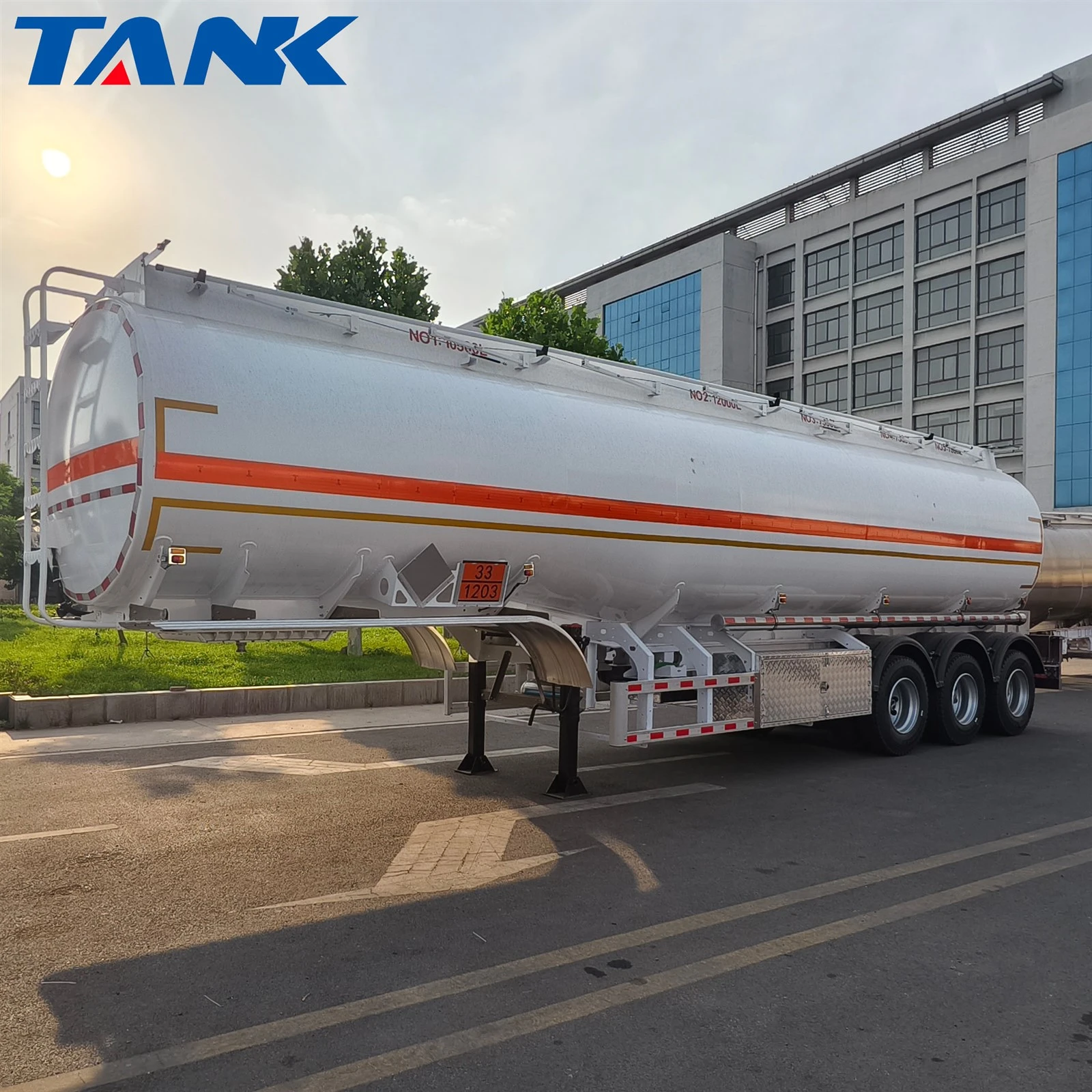
Hazardous chemicals transportation: Tank semi trailer must be used, complying with safety standards such as explosion-proof and anti-leakage.
Oversized cargo transportation: Low bed semi trailer or gooseneck semi trailer are more suitable for ultra-long and overweight goods, such as mechanical equipment and wind turbine blades.

2.Choose by transportation distance and road conditions

Long-haul trunk logistics: It is recommended to select lightweight semi-trailers to reduce fuel consumption and enhance economy.

Mountainous or complex road conditions: Air suspension semi-trailers can reduce vibration, protect goods, and improve driving comfort.

Port short-haul transportation: Skeleton semi-trailers paired with containers are suitable for standardized transportation, with high loading and unloading efficiency.
3.Choose according to regulatory and environmental protection requirements

Compliance with new national standards: Some countries implemented stricter safety and emission standards for semi-trailers in 2024, so models meeting these regulations must be chosen.
Summary: Factors to consider before customization
Cargo characteristics (weight, size, need for temperature control, etc.)
Transportation scenarios (highways, mountainous areas, urban distribution, etc.)
Operational costs (fuel efficiency, maintenance costs, service life)
Policy compliance (whether meeting the latest regulations, such as GB7258)


