

A full-floating axle is a crucial component in many heavy-duty vehicles and trailers, offering unique advantages in terms of load distribution, durability, and performance. As an axle supplier, I've witnessed firsthand the impact that full-floating axles can have on the overall functionality and reliability of various types of transportation equipment. In this blog post, I'll delve into what a full-floating axle is, how it works, and why it's a preferred choice for many applications.
What is a Full-Floating Axle?
A full-floating axle is a type of axle design that allows the wheel to rotate independently of the axle shaft. Unlike a semi-floating axle, where the axle shaft not only transmits torque to the wheel but also supports the weight of the vehicle and any load it's carrying, a full-floating axle separates these two functions.
In a full-floating axle setup, the axle shaft is primarily responsible for transmitting torque from the differential to the wheel. The weight of the vehicle and its load is supported by the axle housing, which is connected to the vehicle's frame through suspension components. The axle shaft is housed within the axle housing and is attached to a hub at the outer end. The hub, in turn, is connected to the wheel via a series of wheel studs. This design allows the wheel to rotate freely on the hub, with the axle shaft simply providing the driving force.
How Does a Full-Floating Axle Work?
The operation of a full-floating axle can be broken down into several key steps. First, power from the vehicle's engine is transmitted to the differential, which is located within the axle housing. The differential distributes this power to the two axle shafts, allowing the wheels on either side of the vehicle to rotate at different speeds when turning.
The axle shafts then transfer the torque from the differential to the hubs. The hubs are mounted on bearings that allow them to rotate smoothly on the axle housing. The wheel is attached to the hub using wheel studs, which are threaded bolts that pass through holes in the wheel and are secured with nuts. When the axle shaft rotates, it causes the hub to rotate, which in turn rotates the wheel.

One of the key advantages of this design is that it allows the axle shaft to operate independently of the weight of the vehicle and its load. This means that the axle shaft is subject to less stress and wear, which can extend its lifespan and reduce the likelihood of failure. Additionally, because the wheel is supported by the hub and not the axle shaft, it can be removed and replaced without having to remove the axle shaft, making maintenance and repairs easier.
Advantages of Full-Floating Axles
Full-floating axles offer several significant advantages over other types of axle designs, particularly in heavy-duty applications. Here are some of the key benefits:
1. Greater Load Capacity
One of the primary advantages of full-floating axles is their ability to handle heavier loads. Because the weight of the vehicle and its load is supported by the axle housing rather than the axle shaft, full-floating axles can withstand much higher stresses and loads than semi-floating axles. This makes them ideal for use in trucks, trailers, and other heavy-duty vehicles that need to carry large amounts of weight.
2. Improved Durability
Full-floating axles are generally more durable than semi-floating axles. The separation of the load-bearing and torque-transmission functions means that the axle shaft is subject to less stress and wear, which can extend its lifespan. Additionally, the axle housing is typically made from high-strength materials, such as forged steel, which further enhances its durability.
3. Easier Maintenance and Repairs
As mentioned earlier, full-floating axles are easier to maintain and repair than semi-floating axles. Because the wheel can be removed and replaced without having to remove the axle shaft, maintenance tasks such as brake inspections and tire changes can be performed more quickly and easily. Additionally, if the axle shaft does need to be replaced, it can be removed without having to disassemble the entire axle assembly, which can save time and labor costs.
4. Better Performance
Full-floating axles can also improve the performance of a vehicle. The independent rotation of the wheels allows for better traction and handling, particularly in off-road or challenging driving conditions. Additionally, the reduced stress on the axle shaft can result in smoother operation and less vibration, which can enhance the overall driving experience.
Applications of Full-Floating Axles
Full-floating axles are commonly used in a variety of heavy-duty applications, including:
1. Trucks and Commercial Vehicles
Full-floating axles are a standard feature in many trucks and commercial vehicles, including dump trucks, semi-trailers, and heavy-duty pickups. These vehicles often need to carry large loads over long distances, and the durability and load capacity of full-floating axles make them an ideal choice.
2. Trailers
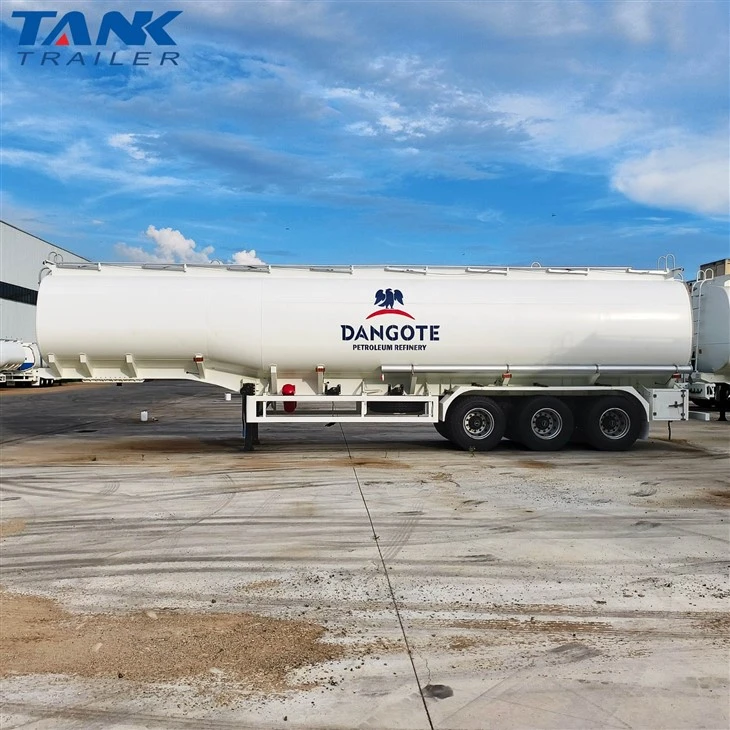
Trailers, such as 3 Axles Aluminum Alloy Oil Tanker Trailer and 3 Axle Hydraulic Gooseneck Lowbed Semi-trailer, also commonly use full-floating axles. The ability to handle heavy loads and the ease of maintenance make them well-suited for these types of applications.
3. Off-Road Vehicles
Full-floating axles are also popular in off-road vehicles, such as SUVs and 4x4 trucks. The improved traction and durability provided by full-floating axles can help these vehicles navigate rough terrain and challenging driving conditions.
4. Specialized Vehicles
In addition to the above applications, full-floating axles are also used in a variety of specialized vehicles, such as military vehicles, construction equipment, and agricultural machinery. These vehicles often require high load capacity and durability, and full-floating axles can meet these requirements.
Conclusion
In conclusion, a full-floating axle is a highly effective and reliable component that offers many advantages over other types of axle designs. Its ability to handle heavy loads, improve durability, and simplify maintenance makes it a popular choice for a wide range of heavy-duty applications. Whether you're in the market for a new truck, trailer, or other heavy-duty vehicle, a full-floating axle can provide the performance and reliability you need.
If you're interested in learning more about full-floating axles or are looking for a high-quality axle supplier for your next project, we'd love to hear from you. Our team of experts can provide you with the information and support you need to make an informed decision. Contact us today to start the conversation and explore how our full-floating axles can enhance the performance of your vehicles. You can also check out our Full Flatbed Trailer for more trailer options.
References
- Automotive Axle Design Handbook, SAE International
- Heavy-Duty Vehicle Systems, Thomas D. Gillespie


