

As a used truck supplier, I understand that one of the biggest concerns for buyers is whether a used truck has been in an accident. A truck that has been in a collision can have hidden damages that may lead to costly repairs and safety issues down the road. In this blog post, I'll share some practical tips on how to determine if a used truck has a history of accidents.
1. Check the Vehicle History Report
The first step in assessing a used truck's accident history is to obtain a vehicle history report. Services like Carfax or AutoCheck are well - known for providing detailed reports on a vehicle's past. These reports can reveal important information such as previous accidents, the severity of the damage, and whether the truck was declared a salvage vehicle.
To get a report, you'll need the truck's Vehicle Identification Number (VIN). The VIN is a unique 17 - character code that can usually be found on the driver's side dashboard, near the windshield, or on the driver's side door jamb. Once you have the VIN, you can purchase a report from the service provider's website.
A clean vehicle history report doesn't guarantee that the truck has never been in an accident, as not all accidents are reported. However, it is a good starting point and can give you valuable insights into the truck's past.
2. Inspect the Exterior of the Truck
A visual inspection of the truck's exterior can often reveal signs of previous accidents. Here are some areas to pay close attention to:
Body Panels
Look for any signs of uneven gaps between body panels. If the gaps are wider or narrower in some areas compared to others, it could indicate that the panels have been realigned after an accident. Also, check for mismatched paint colors. A repainted panel may suggest that it was damaged and repaired. You can use a paint thickness gauge to detect differences in paint thickness, which can be a sign of previous bodywork.
Frame
The frame is the backbone of the truck, and damage to it can have serious consequences. Look for signs of frame damage such as bent or twisted rails, uneven alignment, or signs of welding or repair. You may need to get under the truck to inspect the frame thoroughly. If you're not comfortable doing this yourself, consider having a professional mechanic perform the inspection.
Bumpers and Lights
Inspect the bumpers for signs of damage, such as cracks, dents, or misalignment. Bumpers are often the first parts to be damaged in a collision. Also, check the headlights and taillights for signs of replacement or damage. If the lights don't match in terms of color or condition, it could be a sign that they were replaced after an accident.
3. Examine the Interior of the Truck
The interior of the truck can also provide clues about its accident history.
Seats and Upholstery
Look for signs of excessive wear or damage to the seats and upholstery. In a severe accident, the seats may have been jolted or damaged, and the upholstery may show signs of repair or replacement. Check for loose or misaligned seat belts, as this could indicate that they were involved in a collision.
Dashboard and Instrument Panel
Inspect the dashboard and instrument panel for any signs of damage or replacement. If the truck was in a front - end collision, the dashboard may have been damaged, and parts may have been replaced. Look for signs of uneven fit, loose components, or mismatched colors.
4. Test Drive the Truck
A test drive can help you identify any mechanical issues that may be related to a previous accident. Pay attention to the following during the test drive:
Steering and Suspension
Notice how the truck steers. If it pulls to one side or if the steering feels loose or unresponsive, it could be a sign of alignment issues or damage to the steering components. Also, pay attention to the suspension. Bumps or rattles that you can feel while driving may indicate that the suspension has been damaged.
Brakes
Test the brakes to make sure they are functioning properly. If the brakes feel spongy or if there is a pulling to one side when you apply the brakes, it could be a sign of brake system damage.
5. Check the Maintenance Records
Maintenance records can provide valuable information about the truck's history. Ask the seller for the maintenance records, which can show if any major repairs have been done. Look for records of repairs to the body, frame, or mechanical components that could be related to an accident.
If the seller doesn't have the maintenance records, it could be a red flag. However, it's possible that the records were lost or not kept properly. In this case, you may want to consider having a pre - purchase inspection done by a professional mechanic.
6. Look for After - Market Parts
After - market parts are often used in accident repairs. While there is nothing wrong with using after - market parts, they can sometimes be an indication of previous accidents. Look for parts that don't match the original equipment manufacturer (OEM) parts in terms of quality or appearance. For example, if the truck has a non - OEM bumper or fender, it could be a sign that the original part was damaged and replaced.
7. Consider a Professional Inspection
If you're still unsure whether the used truck has been in an accident, it's a good idea to have a professional inspection done. A qualified mechanic can perform a comprehensive inspection of the truck, including a detailed examination of the engine, transmission, suspension, and frame. They can also use specialized equipment to detect hidden damage that may not be visible to the naked eye.
A professional inspection can give you peace of mind and help you make an informed decision about whether to purchase the truck.
8. Research the Truck's Model and Year
Some truck models and years are more prone to accidents or certain types of damage than others. Research the model and year of the truck you're interested in to see if there are any common issues or recalls related to accidents. You can find this information on automotive websites, forums, or by contacting the manufacturer.

For example, if a particular model has a known issue with its brakes or suspension, it could increase the likelihood of accidents. Being aware of these issues can help you assess the truck's accident risk and make a more informed decision.
Conclusion
Determining whether a used truck has been in an accident requires a combination of research, inspection, and common sense. By following the tips outlined in this blog post, you can increase your chances of identifying a truck with a history of accidents and avoid potential problems down the road.
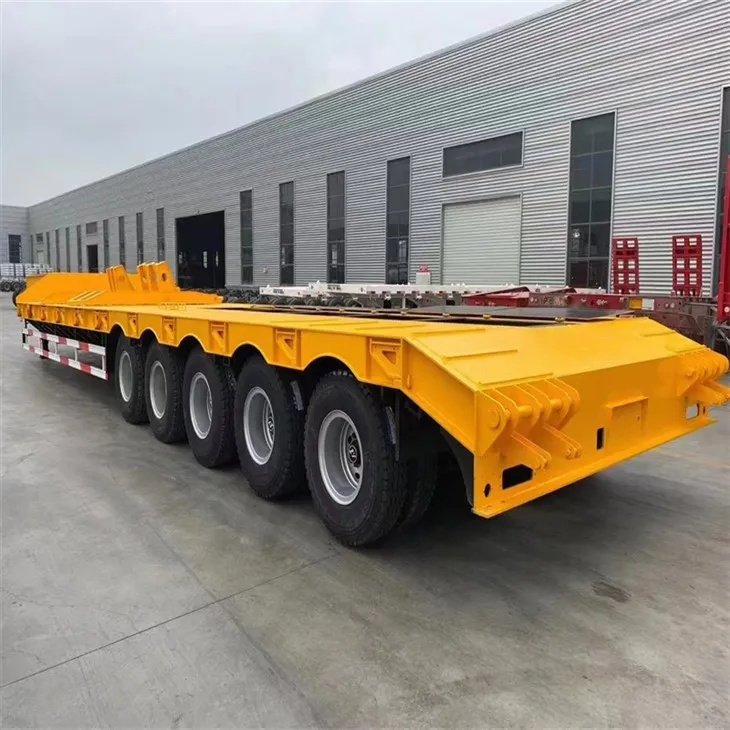
If you're in the market for a used truck, we have a wide selection of high - quality trucks available. We offer 3 - axis Refrigerated Semi - trailer, 3 Axle Stake Semi Trailer, and 100t Lowbed Semi Trailer among other models. Our team is dedicated to providing you with the best possible service and helping you find the right truck for your needs.
If you have any questions or would like to schedule a viewing of our used trucks, please don't hesitate to reach out. We're here to assist you in your purchasing decision and ensure that you get a reliable and safe used truck.
References
- "How to Check if a Used Car Has Been in an Accident" - Consumer Reports
- "Vehicle Inspection Guide" - National Highway Traffic Safety Administration
- "Inspecting a Used Truck" - Popular Mechanics


