

As a seasoned supplier of used tractors, I've encountered numerous clients who face challenges when it comes to adjusting the throttle on their newly acquired machines. In this blog post, I'll share some comprehensive insights and step-by-step guidance on how to adjust the throttle on a used tractor.
Understanding the Throttle System in a Tractor
Before we delve into the adjustment process, it's crucial to understand the basic components of the throttle system in a tractor. The throttle controls the engine's speed by regulating the amount of air and fuel mixture entering the engine cylinders. In most tractors, the throttle linkage connects the throttle pedal or lever to the carburetor or fuel injection system.
Tools You'll Need
- Socket Set: A set of metric sockets is essential for removing and tightening bolts during the adjustment process.
- Wrench Set: Having a variety of wrenches will help you access different parts of the throttle linkage.
- Screwdriver Set: Both flathead and Phillips head screwdrivers may be required to adjust screws and fasteners.
- Pliers: Pliers can be useful for gripping and adjusting small components.
- Throttle Cable Lubricant: Applying lubricant to the throttle cable can ensure smooth operation.
Step-by-Step Throttle Adjustment Process
Step 1: Safety First
Before you start working on the tractor, ensure the engine is turned off, and the keys are removed. Also, engage the parking brake to prevent the tractor from moving accidentally.
Step 2: Locate the Throttle Linkage
The throttle linkage is usually located near the engine, connecting the throttle pedal or lever to the carburetor or fuel injection system. Refer to the tractor's manual to find the exact location.
Step 3: Inspect the Throttle Linkage
Check the throttle linkage for any signs of damage, wear, or corrosion. If you notice any issues, such as a broken cable or loose connection, it's advisable to replace the damaged parts before proceeding with the adjustment.
Step 4: Adjust the Throttle Cable Tension
The throttle cable tension plays a crucial role in the proper functioning of the throttle. To adjust the tension:
- Locate the throttle cable adjustment nut or screw. This is typically found near the throttle pedal or lever.
- Loosen the lock nut on the adjustment screw.
- Turn the adjustment screw clockwise to increase the cable tension or counterclockwise to decrease it.
- Check the throttle operation after each adjustment. The throttle should move smoothly from idle to full throttle without any sticking or binding.
- Once you're satisfied with the tension, tighten the lock nut to secure the adjustment.
Step 5: Adjust the Idle Speed
The idle speed of the tractor engine should be set correctly to ensure smooth operation. To adjust the idle speed:
- Locate the idle speed adjustment screw on the carburetor or fuel injection system. This screw is usually labeled "Idle" or "I."
- Start the engine and let it warm up for a few minutes.
- Use a screwdriver to turn the idle speed adjustment screw clockwise to increase the idle speed or counterclockwise to decrease it.
- Check the engine speed using a tachometer. The idle speed should be within the manufacturer's recommended range.
- Make small adjustments and recheck the speed until you achieve the desired idle speed.
Step 6: Check the Full Throttle Position
After adjusting the idle speed, it's important to check the full throttle position. To do this:
- Depress the throttle pedal or lever fully.
- Check the engine speed using a tachometer. The engine should reach the maximum speed specified by the manufacturer.
- If the engine speed is too low or too high, you may need to further adjust the throttle cable tension or the throttle linkage.
Step 7: Test the Throttle Operation
Once you've completed the adjustments, test the throttle operation by driving the tractor. Pay attention to how the throttle responds when you press the pedal or move the lever. The throttle should provide smooth and consistent acceleration.
Troubleshooting Common Throttle Issues
- Sticking Throttle: If the throttle sticks or fails to return to the idle position, it could be due to a dirty or damaged throttle cable. Clean or replace the cable and apply lubricant to ensure smooth operation.
- Inconsistent Throttle Response: Inconsistent throttle response may be caused by a clogged air filter, a faulty fuel pump, or a problem with the carburetor or fuel injection system. Check these components and replace or clean them as needed.
- High or Low Idle Speed: If the idle speed is too high or too low, it could be due to a misadjusted idle speed screw or a problem with the throttle cable tension. Refer to the adjustment steps above to correct the issue.
Additional Tips
- Regular Maintenance: Perform regular maintenance on the throttle system, including cleaning and lubricating the throttle cable and checking the linkage for wear and tear.
- Follow the Manufacturer's Recommendations: Always refer to the tractor's manual for specific instructions and recommendations regarding throttle adjustment.
- Seek Professional Help: If you're unsure about any aspect of the throttle adjustment process or if you encounter persistent problems, it's advisable to seek the assistance of a professional mechanic.
Conclusion
Adjusting the throttle on a used tractor is a relatively straightforward process that can significantly improve the performance and reliability of the machine. By following the steps outlined in this blog post and taking the necessary precautions, you can ensure that your tractor's throttle system is functioning properly.

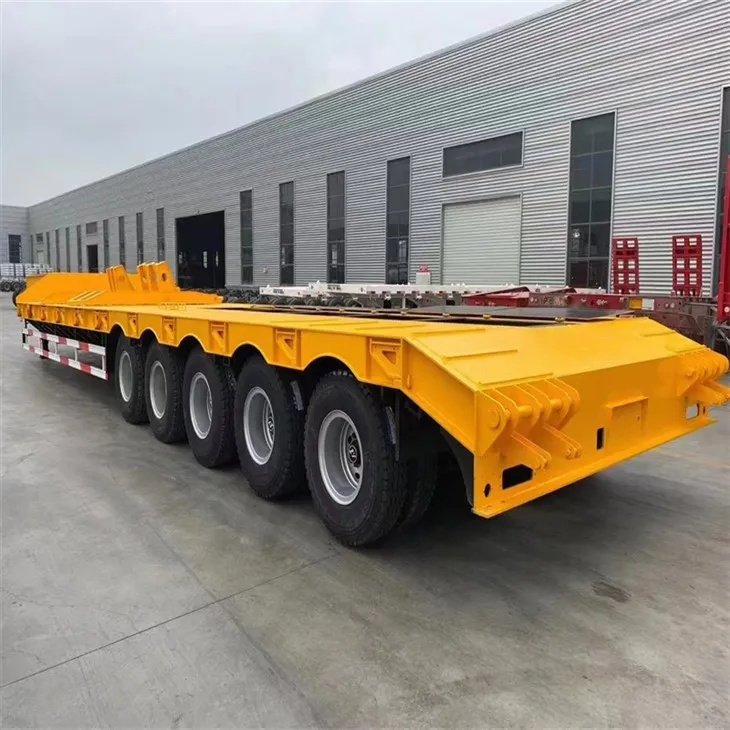
If you're in the market for a used tractor or need further assistance with tractor maintenance and repair, feel free to reach out to us. We're a leading supplier of Carbon Steel Tanker Trailer, 100t Lowbed Semi Trailer, 3 Axle 40 FT Flatbed Truck Semi Trailer and a wide range of used tractors. Our team of experts is here to help you find the right equipment for your needs and provide you with the support and guidance you need to keep it running smoothly. Contact us today to start the procurement discussion and take the first step towards enhancing your agricultural or industrial operations.
References
- Tractor Manufacturer's Manuals
- Automotive Repair Guides
- Online Resources on Tractor Maintenance and Repair


