

Hey there, fellow suspension enthusiasts! I'm a supplier in the suspension game, and today we're diving into a hot topic: Are aftermarket suspension parts better than OEM (Original Equipment Manufacturer) parts? Let's break it down, shall we?
Understanding OEM Suspension Parts
OEM suspension parts are the ones that come straight from the vehicle manufacturer. They're designed to fit the specific make and model of your vehicle perfectly. The big advantage here is compatibility. Since they're made by the same folks who built the vehicle, you can be pretty sure they're going to work without any major issues.
For instance, if you've got a brand - new car fresh off the lot, the OEM suspension has been tuned to provide a balance between comfort and handling that's in line with the vehicle's intended use. That means a smooth ride for your daily commute, and stable cornering on those curvy roads.
But OEM parts aren't without their drawbacks. Cost is often one of them. You're essentially paying for the brand name, which can make them pricier. Also, the suspension might be designed to appeal to the broadest range of users. So, if you're looking for something more specialized, like enhanced off - road performance or a stiffer setup for racing, OEM parts might fall short.
The Allure of Aftermarket Suspension Parts
Now, let's talk about aftermarket suspension parts. These are made by third - party manufacturers, and they've got a lot going for them. One of the biggest perks is customization. You can find aftermarket parts that are tailored to your exact needs, whether you're a hardcore off - roader or a street racer.
There's a wide variety of aftermarket suspension parts available. You can get adjustable coilovers that allow you to fine - tune the ride height and stiffness of your suspension. This gives you the ability to optimize your vehicle's handling for different driving conditions. For example, you can raise the ride height for off - road adventures and then lower it for better aerodynamics on the highway.
Another advantage is innovation. Aftermarket companies are often more willing to experiment and push the boundaries. They're constantly coming up with new materials and designs to improve performance. Some aftermarket suspension parts use high - tech alloys that are both stronger and lighter than the materials used in OEM parts. This can lead to better handling and faster acceleration, as there's less weight for the engine to move.
However, it's not all sunshine and rainbows with aftermarket parts. Quality can vary widely. You need to do your research and make sure you're buying from a reputable supplier. A poorly made aftermarket part can not only affect your vehicle's performance but also pose a safety risk. Also, installing aftermarket parts might void your vehicle's warranty, so that's something to keep in mind.
Real - World Applications
Let's look at some real - world scenarios to see how these two types of suspension parts stack up.
Daily Driving
For most people, daily driving is the main use of their vehicle. In this case, OEM suspension parts are usually a solid choice. They provide a comfortable and reliable ride that's well - suited for stop - and - go traffic and normal road conditions. But if you want to add a bit of excitement to your daily commute, you might consider some mild aftermarket upgrades. For example, a sport - tuned aftermarket sway bar can reduce body roll during cornering, making your drive a bit more fun.
Off - Roading
When it comes to off - roading, aftermarket suspension parts really shine. OEM suspensions are generally designed for on - road use, so they might not be able to handle the rigors of rough terrain. Aftermarket lift kits can increase ground clearance, allowing you to navigate over rocks and ruts without getting hung up. And off - road - specific shocks and springs are built to absorb the impact of bumps and jumps, providing a smoother and more controlled ride. Check out this Heavyn Duty 3 Axle Side Wall Semi Trailer which might require some heavy - duty aftermarket suspension upgrades for off - road or heavy - load applications.
Racing
Racing is all about performance, and aftermarket suspension parts are often the way to go. Racers need a suspension that can provide maximum grip and stability at high speeds. Adjustable coilovers allow them to fine - tune the suspension for different tracks and weather conditions. They can adjust the ride height to lower the center of gravity, improving cornering speed. And high - performance shocks can keep the tires in contact with the road surface, providing better traction. If you're into racing semi - trailers like the 3 Axle Container Transport Flatbed Semi Trailer, aftermarket suspension upgrades are almost a must.
Making the Decision
So, how do you decide whether aftermarket suspension parts are better for you than OEM parts? Well, it all comes down to your needs and budget.
If you're happy with the way your vehicle rides and you don't plan on doing any extreme driving, OEM parts are probably the way to go. They're reliable, and you don't have to worry about compatibility issues or voiding your warranty.
But if you're looking to customize your vehicle's performance, whether it's for off - roading, racing, or just to add a bit more fun to your daily drive, aftermarket suspension parts offer a lot of possibilities. Just make sure to do your homework and choose a quality supplier.

Cost Comparison
Let's talk about money for a second. As I mentioned earlier, OEM suspension parts can be more expensive. This is because you're paying for the brand and the quality assurance that comes with it. However, aftermarket parts can vary widely in price. You can find some budget aftermarket options that are relatively affordable, but keep in mind that you might get what you pay for. On the other hand, high - end aftermarket suspension systems can cost a small fortune, but they also offer top - notch performance.
Installation Considerations
Installing suspension parts is not a task for the faint - hearted. OEM parts are generally designed to be a direct fit, so the installation process is usually straightforward. However, aftermarket parts might require some modification or adjustment, especially if you're going for a custom setup. Make sure you either have the skills and tools to do it yourself or trust a professional mechanic to do the job.
Looking for Specific Applications
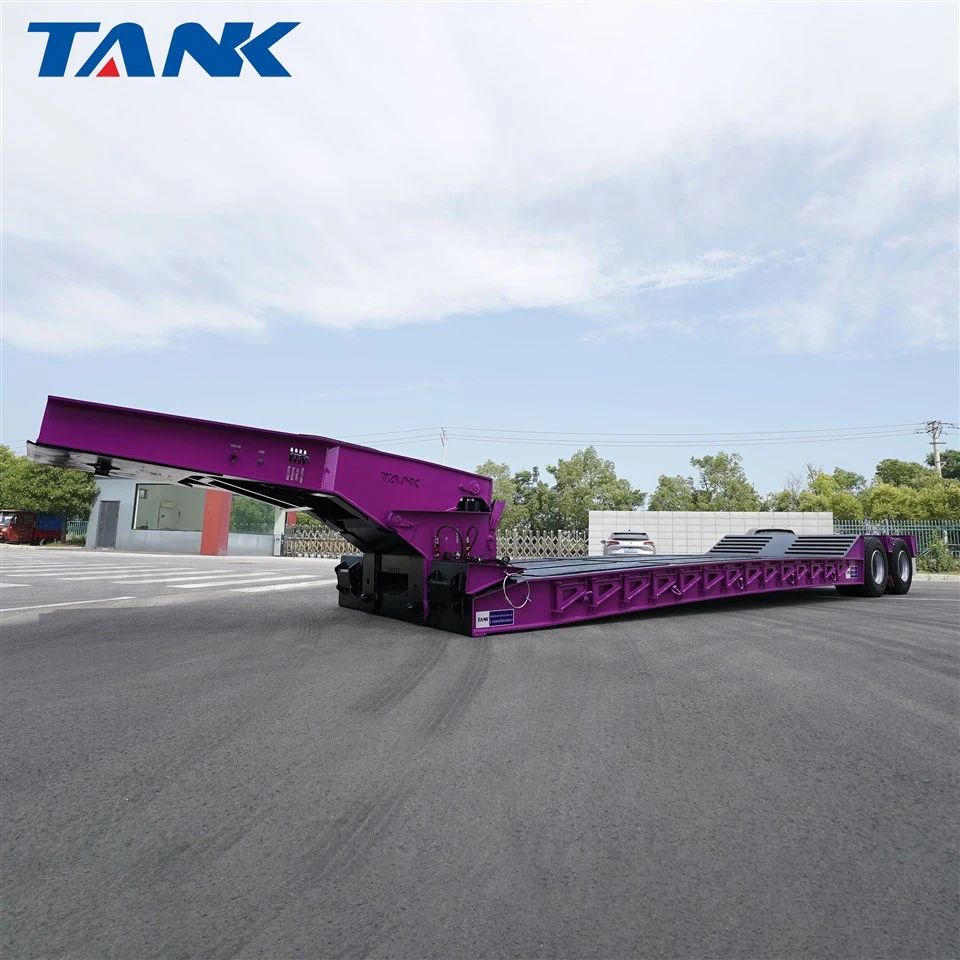
If you're in the market for semi - trailers, the choice between aftermarket and OEM suspension is also crucial. For a 2 - axis Detachable Hydraulic Gooseneck Lowbed Semi - trailer, the right suspension can make all the difference in terms of load - carrying capacity and stability. Depending on your usage, you might want to consider aftermarket upgrades to handle heavy construction equipment or other large loads.
Conclusion
In the end, there's no one - size - fits - all answer to whether aftermarket suspension parts are better than OEM parts. It depends on your specific needs, driving style, and budget. As a suspension supplier, I've seen firsthand the benefits of both types of parts.
If you're still not sure which way to go, I'd love to have a chat with you. We can discuss your vehicle, your driving habits, and come up with the best suspension solution for you. Whether you're looking for a simple upgrade or a complete suspension overhaul, we've got you covered. So, don't hesitate to reach out and start a conversation about your suspension needs. Let's work together to get your vehicle performing at its best!
References
- Automotive Suspension Handbook, Third Edition, by Michael D. Lehto
- Chilton's Auto Repair Manuals
- Various industry reports and whitepapers on suspension technology


