

An axle bracket, also known as an axle mounting bracket or axle support bracket, is a crucial component in the automotive, trailer, and heavy - machinery industries. As an axle supplier, I've had extensive experience with these parts and understand their significance in the overall functionality of a vehicle or equipment.
What is an Axle Bracket?
An axle bracket is a structural element designed to securely attach an axle to the vehicle's frame or chassis. It serves as a connection point that transfers the weight of the vehicle, its load, and the forces generated during motion from the axle to the main body of the vehicle. This transfer of forces is essential for maintaining the stability and safety of the vehicle.
The design of an axle bracket can vary significantly depending on the application. In light - duty vehicles such as passenger cars, axle brackets are typically made from high - strength steel or aluminum alloys. These materials offer a good balance between strength and weight, which is crucial for fuel efficiency and handling. The brackets are often precision - engineered to fit specific axle and vehicle models, ensuring a perfect fit and optimal performance.
In heavy - duty applications like trucks, trailers, and construction equipment, axle brackets are much more robust. They are usually fabricated from thick steel plates or forged steel, capable of withstanding extreme loads and harsh operating conditions. For example, in a 3 Axle Side Wall Semi Trailer, the axle brackets need to support the weight of the trailer itself, as well as the heavy cargo it carries. The forces acting on these brackets during acceleration, braking, and turning can be immense, so they must be designed and manufactured to the highest standards.
Types of Axle Brackets
There are several types of axle brackets, each designed for a specific purpose.
Fixed Axle Brackets
Fixed axle brackets are the most common type. They are permanently attached to the vehicle's frame and provide a rigid connection to the axle. These brackets are ideal for applications where the axle position needs to be stable and consistent, such as in most passenger cars and light - duty trucks. Fixed axle brackets are relatively simple in design and are often used in conjunction with leaf springs or coil springs to provide suspension support.
Adjustable Axle Brackets
Adjustable axle brackets, on the other hand, allow for some degree of axle movement and adjustment. They are commonly used in vehicles where the axle position needs to be fine - tuned, such as in high - performance racing cars or off - road vehicles. Adjustable brackets can be used to change the camber, caster, or toe settings of the wheels, which can significantly improve the vehicle's handling and tire wear.
Suspension - Mounted Axle Brackets
Suspension - mounted axle brackets are designed to work in conjunction with a vehicle's suspension system. They are typically used in vehicles with independent suspension, where the axle is connected to the frame through a series of suspension components. These brackets help to isolate the axle from the vehicle's frame, reducing vibrations and improving ride comfort. In a 3 Axle High Side Wall Semi Trailer, suspension - mounted axle brackets play a crucial role in ensuring a smooth ride, especially when carrying heavy loads on uneven roads.

Manufacturing Process of Axle Brackets
The manufacturing process of axle brackets is a complex and precise operation. It starts with the selection of the appropriate material. As mentioned earlier, the choice of material depends on the application and the required strength and durability.
Once the material is selected, it is cut to the appropriate size and shape using cutting tools such as saws, lasers, or water jets. The cut pieces are then formed into the desired shape through processes like bending, stamping, or forging. For high - strength brackets, forging is often the preferred method as it aligns the metal grains in a way that enhances the bracket's strength and toughness.
After forming, the brackets undergo machining operations to create holes, slots, and other features required for mounting and connection. This is done using precision machining tools such as lathes, mills, and drills. The machining process ensures that the brackets have the correct dimensions and tolerances, allowing for a proper fit with the axle and the vehicle's frame.
Finally, the brackets are heat - treated to improve their mechanical properties. Heat treatment can increase the hardness, strength, and wear resistance of the brackets, making them more suitable for their intended applications. After heat treatment, the brackets are often coated or painted to protect them from corrosion and other environmental factors.
Importance of Axle Brackets in Vehicle Safety
Axle brackets play a vital role in vehicle safety. A properly designed and installed axle bracket ensures that the axle remains securely attached to the vehicle's frame, preventing the axle from separating during operation. This is crucial for maintaining control of the vehicle, especially at high speeds or when carrying heavy loads.
In the event of a collision or sudden impact, the axle brackets help to absorb and distribute the forces generated, reducing the risk of damage to the vehicle's frame and other components. They also contribute to the overall stability of the vehicle, helping to prevent roll - overs and other dangerous situations.
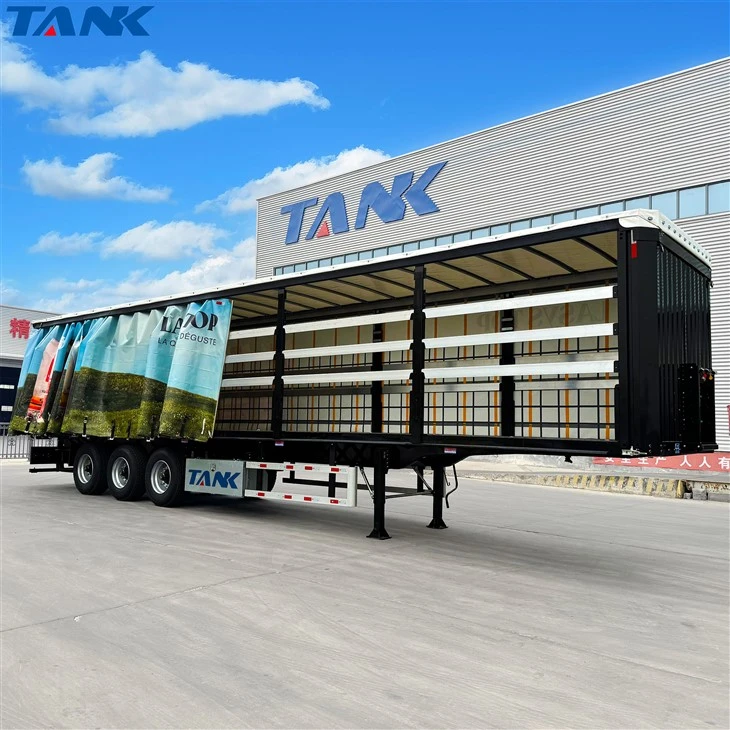
For example, in a 3 Axle Side Curtani Semi - Trailer, the axle brackets are designed to withstand the forces exerted during braking and turning. If these brackets were to fail, the trailer could lose control, leading to a serious accident.
Quality Control in Axle Bracket Production
As an axle supplier, quality control is of utmost importance in the production of axle brackets. We implement a comprehensive quality control system that starts from the raw material inspection and continues throughout the manufacturing process.
Each batch of raw materials is tested to ensure that it meets the required specifications. During the manufacturing process, in - process inspections are carried out at various stages to check the dimensions, surface finish, and other quality parameters of the brackets. Final inspections are conducted before the brackets are shipped to the customers to ensure that they meet all the quality standards.
We also use advanced testing equipment such as non - destructive testing (NDT) methods to detect any internal defects or flaws in the brackets. NDT methods like ultrasonic testing and magnetic particle testing can identify cracks and other defects that may not be visible to the naked eye, ensuring the safety and reliability of our products.
Why Choose Our Axle Brackets
As an established axle supplier, we have a wealth of experience and expertise in the production of high - quality axle brackets. Our products are designed and manufactured to meet the highest industry standards, ensuring reliability and performance.
We offer a wide range of axle brackets to suit different applications, from light - duty passenger cars to heavy - duty trucks and trailers. Our brackets are made from the best materials and are subjected to rigorous quality control measures, giving our customers peace of mind.
In addition, we provide excellent customer service. Our team of experts is always available to answer any questions and provide technical support. Whether you need help with product selection, installation, or maintenance, we are here to assist you.
If you are in the market for high - quality axle brackets, we invite you to contact us for a detailed discussion about your requirements. We are confident that our products and services will meet your expectations and help you achieve optimal performance and safety in your vehicles or equipment.
References
- Automotive Engineering Handbook, Society of Automotive Engineers (SAE)
- Handbook of Manufacturing Processes, McGraw - Hill
- Trailer Design and Manufacturing Guide, National Trailer Manufacturers Association (NTMA)


