

As a reputable supplier of oil tank semi - trailers, I've encountered a wide range of common problems that customers face during the operation of these vehicles. In this blog, I'll share some practical troubleshooting tips to help you address these issues effectively.
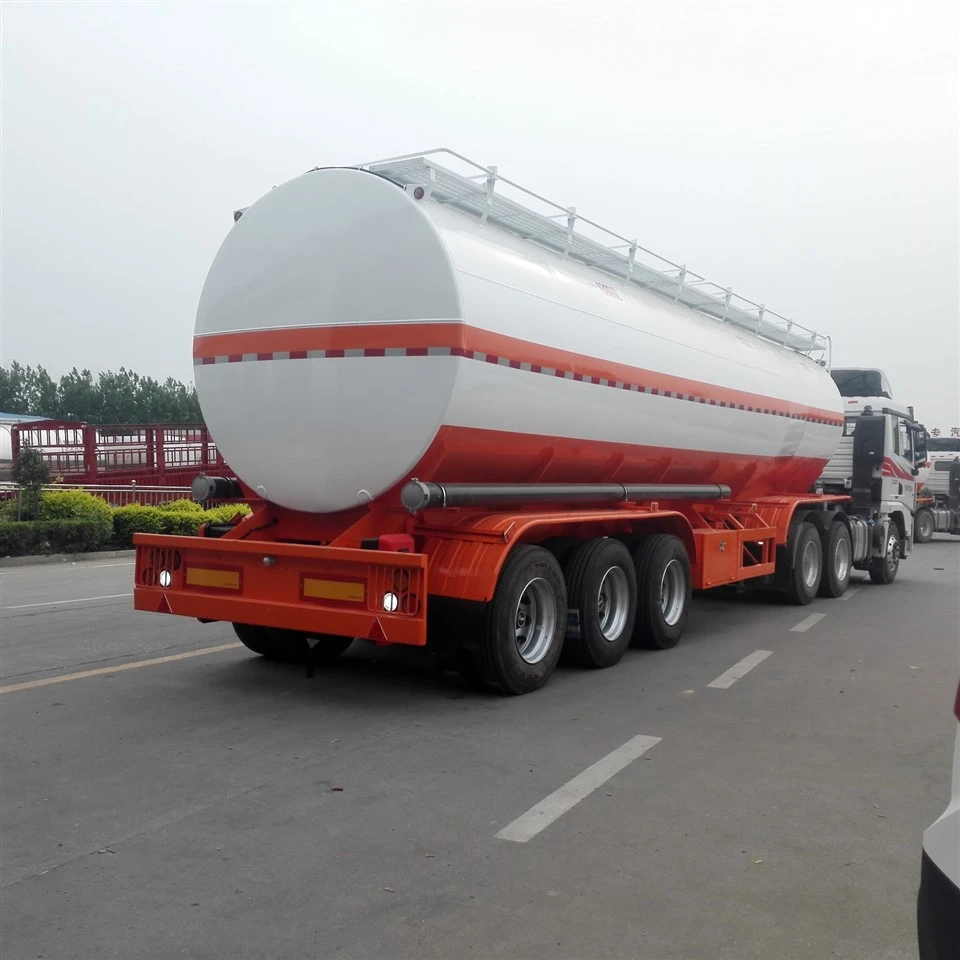

1. Leakage Problems
Leakage is one of the most frequent and concerning problems in oil tank semi - trailers. It can occur at various locations, such as the tank body, valves, and connections.
Tank Body Leaks
- Inspection: First, visually inspect the tank body for any signs of cracks, dents, or corrosion. These can be the primary causes of leaks. Use a flashlight to check hard - to - reach areas, especially around welds. Welds are potential weak points, and over time, they may develop small fissures due to vibrations and stress during transportation.
- Pressure Testing: If you suspect a leak but can't visually identify it, conduct a pressure test. Fill the tank with a non - combustible gas at a low pressure (usually recommended by the manufacturer). Then, use a soapy water solution and apply it to the suspected areas. If there are bubbles forming, it indicates a leak.
- Repair: For small cracks, you can use epoxy - based sealants that are suitable for the tank's material (e.g., carbon steel). However, for larger cracks or significant damage, it's best to consult a professional welder. As a supplier, we recommend using high - quality materials for repairs. You can refer to our Carbon Steel Oil Tanker Semi Trailer for details on the tank's construction materials.
Valve and Connection Leaks
- Valve Inspection: Check the valves for proper seating and wear. Valves may leak if the seals are damaged or if they are not tightened correctly. Inspect the valve handles to ensure they are in the proper position. Some valves have a locking mechanism, so make sure it is engaged.
- Connection Tightening: Examine all the pipe connections and fittings. Use a wrench to tighten any loose connections gently. Be careful not to over - tighten, as this can damage the threads. If the connection is still leaking after tightening, replace the gaskets or seals. You can find compatible replacement parts for our Carbon Steel Tanker Trailer.
2. Pressure - Related Problems
Proper pressure management is crucial for the safe operation of oil tank semi - trailers.
Over - Pressure
- Pressure Relief Valve Check: The pressure relief valve is designed to release excess pressure from the tank. Check if the valve is functioning correctly. You can test it by applying a small amount of pressure to the tank and observing if the valve opens at the specified pressure. If it doesn't open or opens at an incorrect pressure, it may need to be adjusted or replaced.
- Blocked Vents: Blocked vents can cause over - pressure in the tank. Inspect the vents regularly and remove any debris or obstructions. Make sure the vents are clear and allow proper air circulation in and out of the tank.
- Loading and Unloading: Over - filling the tank during loading can also lead to over - pressure. Follow the recommended loading capacity and procedures. Ensure that the unloading process is also carried out smoothly to prevent pressure build - up.
Under - Pressure
- Vacuum Relief Valve Inspection: Similar to the pressure relief valve, the vacuum relief valve prevents the tank from collapsing due to under - pressure. Check if the vacuum relief valve is working properly. If the tank shows signs of deformation, it may be due to a malfunctioning vacuum relief valve.
- Pump and Hose Issues: Problems with the pumping system or hoses can also cause under - pressure during unloading. Check the pump for proper operation and ensure that the hoses are not kinked or blocked.
3. Electrical System Problems
The electrical system in oil tank semi - trailers is essential for functions such as lighting, signaling, and monitoring.
Battery Problems
- Battery Inspection: Check the battery terminals for corrosion. Corroded terminals can cause poor electrical connections. Clean the terminals with a wire brush and apply a thin layer of anti - corrosion grease.
- Battery Charge: Test the battery's charge level using a battery tester. If the battery is not holding a charge, it may need to be replaced. Make sure to follow the manufacturer's recommendations for battery type and specifications.
- Wiring Inspection: Examine the wiring for any signs of damage, such as frayed wires or loose connections. Repair or replace any damaged wiring to ensure proper electrical flow.
Lighting and Signaling Issues
- Bulb Replacement: If the lights or signals are not working, check the bulbs first. Replace any burnt - out bulbs with the correct type and wattage.
- Fuse Check: Locate the fuse box and check the fuses related to the lighting and signaling system. Replace any blown fuses with the appropriate rating.
- Grounding: Ensure that the electrical system is properly grounded. A poor ground connection can cause intermittent lighting problems.
4. Suspension and Braking Problems
The suspension and braking systems are vital for the safety and stability of the oil tank semi - trailer.
Suspension Problems
- Spring and Shock Absorber Inspection: Check the springs for any signs of damage or sagging. Replace any damaged springs. Inspect the shock absorbers for leaks or reduced performance. If the trailer bounces excessively or has a rough ride, the shock absorbers may need to be replaced.
- Axle Alignment: Improper axle alignment can cause uneven tire wear and handling problems. Have the axle alignment checked regularly by a professional. They can use specialized equipment to ensure that the axles are parallel and properly positioned.
Braking Problems
- Brake Pad and Shoe Inspection: Check the brake pads and shoes for wear. If they are worn beyond the recommended thickness, replace them immediately. Inspect the brake calipers and cylinders for leaks or damage.
- Brake Fluid Level: Check the brake fluid level in the reservoir. If the level is low, it may indicate a leak in the braking system. Add the appropriate brake fluid if needed, but also investigate and repair the source of the leak.
- Brake Adjustment: Ensure that the brakes are properly adjusted. Incorrect brake adjustment can lead to poor braking performance or uneven braking.
Conclusion
Troubleshooting common problems in oil tank semi - trailers requires a systematic approach and regular maintenance. By following these tips, you can identify and address issues promptly, ensuring the safe and efficient operation of your trailers.
If you are experiencing any problems with your oil tank semi - trailers or are interested in purchasing high - quality trailers, we are here to assist you. Our team of experts can provide professional advice and support. Contact us for more information and let's start a fruitful business discussion.
References
- Manufacturer's manuals for oil tank semi - trailers
- Industry standards for oil transportation equipment
- Technical bulletins on maintenance and troubleshooting of semi - trailers


