

Transporting scaffolding on a flatbed semi - trailer is a task that requires careful planning, proper equipment, and adherence to safety regulations. As a flatbed semi - trailer supplier, I have witnessed firsthand the importance of getting this process right. In this blog, I'll share some insights on how to transport scaffolding efficiently and safely using a flatbed semi - trailer.
Selecting the Right Flatbed Semi - Trailer
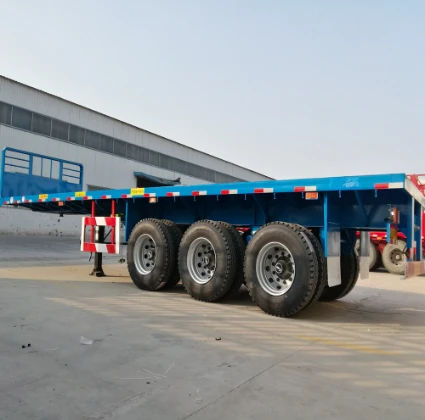
The first step in transporting scaffolding is choosing the appropriate flatbed semi - trailer. The size and weight capacity of the trailer must match the quantity and size of the scaffolding you need to transport. For instance, if you have a large amount of scaffolding, a [Tri - Axle 40feet Flatbed Container Semi Truck Trailer For Sale](/semi - trailer/flatbed - semi - trailer/tri - axle - 40feet - flatbed - semi - trailer.html) would be a great choice. This type of trailer offers a large deck area and sufficient weight - bearing capacity to handle substantial loads.
Another option is the [Cargo Transport Flatbed Semi Trailer On Sale](/semi - trailer/flatbed - semi - trailer/cargo - transport - flatbed - semi - trailer - on - sale.html). It is designed to carry various types of cargo, including scaffolding. Its flatbed design allows for easy loading and unloading of the scaffolding components.
The [3 Axle High Quality Flatbed Semi Trailer](/semi - trailer/flatbed - semi - trailer/3 - axle - high - quality - flatbed - semi - tyrailer.html) is also a reliable option. With its three - axle configuration, it provides better stability and weight distribution, which is crucial when transporting heavy scaffolding.
Preparing the Scaffolding for Transport
Before loading the scaffolding onto the flatbed semi - trailer, it's essential to prepare it properly. First, disassemble the scaffolding into manageable sections if possible. This not only makes it easier to load but also reduces the risk of damage during transport. Inspect each section for any loose parts, rust, or damage. Tighten any loose bolts or nuts and replace any damaged components.

Next, clean the scaffolding to remove any dirt, debris, or grease. This helps prevent the build - up of contaminants on the trailer and also makes it easier to handle the scaffolding during loading and unloading.
Loading the Scaffolding
Loading the scaffolding onto the flatbed semi - trailer should be done with care. Start by placing the largest and heaviest sections of the scaffolding at the center of the trailer deck. This helps maintain the balance of the load and reduces the risk of the trailer tipping over during transit.

Use a forklift or other appropriate lifting equipment to lift the scaffolding onto the trailer. Ensure that the lifting equipment is in good working condition and that the operators are properly trained. When placing the scaffolding on the trailer, make sure it is aligned parallel to the sides of the trailer for better stability.
Stack the scaffolding sections neatly and securely. If necessary, use spacers between the sections to prevent them from rubbing against each other and causing damage. Avoid over - stacking the scaffolding, as this can make the load top - heavy and increase the risk of instability.
Securing the Load
Once the scaffolding is loaded onto the flatbed semi - trailer, it must be secured properly to prevent it from shifting or falling during transport. Use high - quality tie - down straps or chains to secure the load. The number and placement of the tie - downs depend on the size and weight of the load.
For smaller loads, at least two tie - downs should be used: one at the front and one at the rear of the load. For larger loads, additional tie - downs may be required. Make sure the tie - downs are tightened firmly but not so tight that they damage the scaffolding.
Check the tension of the tie - downs regularly during the loading process. Also, inspect the tie - downs for any signs of wear or damage. Replace any worn or damaged tie - downs immediately.
Safety Considerations
Safety is of utmost importance when transporting scaffolding on a flatbed semi - trailer. First, ensure that the trailer is in good working condition. Check the brakes, tires, lights, and other essential components before setting off. Make sure the trailer is properly connected to the tractor unit and that all safety chains are attached.
When driving, be aware of the size and weight of the load. The additional weight of the scaffolding can affect the trailer's handling, braking, and acceleration. Drive at a safe speed and leave plenty of space between your vehicle and other road users.
Be prepared for unexpected situations. Carry a first - aid kit, a fire extinguisher, and other emergency supplies in case of an accident. Familiarize yourself with the local traffic laws and regulations regarding the transportation of oversized or heavy loads.
Unloading the Scaffolding
When you reach your destination, unload the scaffolding carefully. Follow the reverse process of loading. Use the same lifting equipment to remove the scaffolding from the trailer. Start by removing the tie - downs and then carefully lift the scaffolding sections off the trailer.

Inspect the scaffolding again after unloading to ensure that it has not been damaged during transport. If any damage is found, make the necessary repairs before using the scaffolding.
Cost - Efficiency
Transporting scaffolding on a flatbed semi - trailer can be cost - efficient if done correctly. By choosing the right trailer, you can maximize the load capacity and reduce the number of trips required. This not only saves on fuel costs but also reduces wear and tear on the trailer and the tractor unit.
Proper loading and securing of the scaffolding also help prevent damage, which can save on repair and replacement costs. Additionally, by following safety regulations, you can avoid fines and penalties, which can add to the overall cost of transportation.
Conclusion
Transporting scaffolding on a flatbed semi - trailer is a complex but manageable task. By selecting the right trailer, preparing the scaffolding properly, loading and securing the load correctly, and following safety regulations, you can ensure a smooth and safe transportation process.
If you're in the market for a flatbed semi - trailer for scaffolding transport or other cargo, feel free to explore our wide range of options. We offer high - quality trailers at competitive prices. Contact us today to discuss your specific requirements and start a procurement negotiation.
References
- Department of Transportation. (Year). Regulations for the Transportation of Heavy and Oversized Loads.
- Scaffolding Manufacturer's Manual. (Year). Guidelines for Disassembly, Transport, and Assembly.
- Trailer Safety Handbook. (Year). Maintenance and Safety Checks for Flatbed Semi - Trailers.


