

As a semi-trailer supplier, I am acutely aware of the significant environmental impact associated with these large vehicles. Semi-trailers play a crucial role in the global transportation industry, facilitating the movement of goods across vast distances. However, their operation also contributes to various environmental challenges, including air pollution, greenhouse gas emissions, and resource depletion. In this blog post, I will explore several strategies that can be employed to reduce the environmental impact of semi-trailers, both from a manufacturing and operational perspective.
1. Material Selection and Design
One of the most effective ways to reduce the environmental impact of semi-trailers is through careful material selection and design. Traditional semi-trailers are often constructed using heavy steel, which requires a significant amount of energy to produce and transport. By using lightweight materials such as aluminum alloys, composite materials, and high-strength steel, we can significantly reduce the weight of the trailer, thereby improving fuel efficiency and reducing emissions.
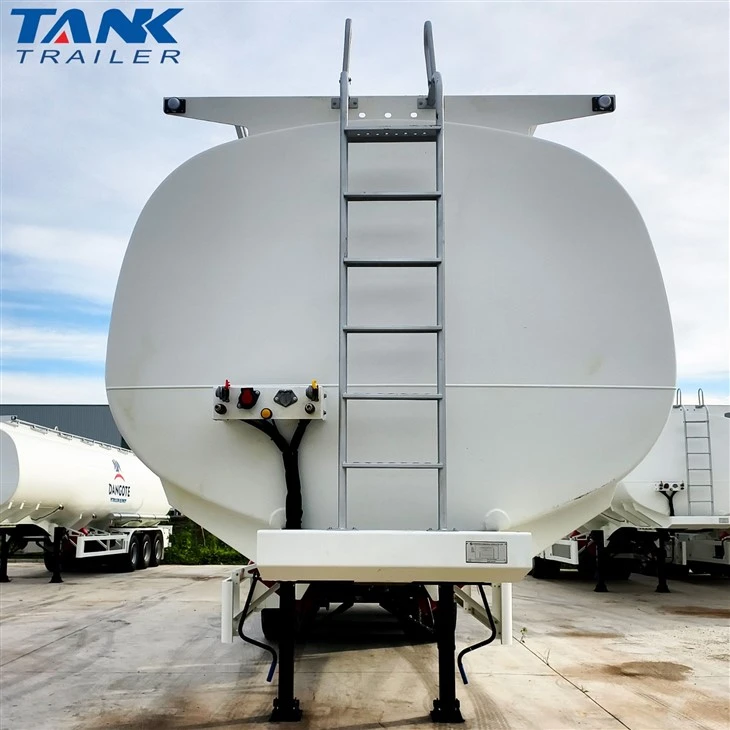
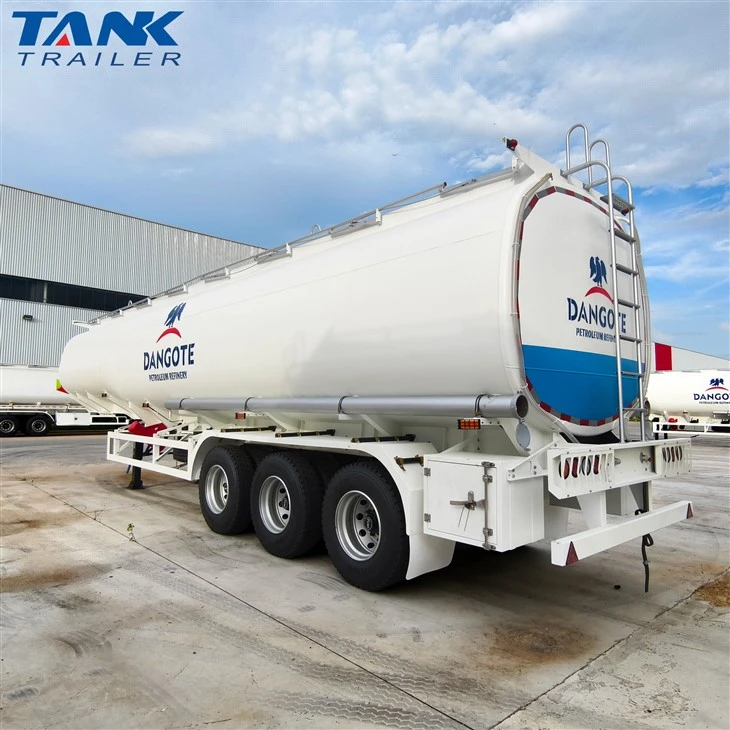
For example, our 3 Axles Aluminum Alloy Oil Tanker Trailer is designed with a lightweight aluminum alloy structure, which not only reduces the overall weight of the trailer but also provides excellent corrosion resistance and durability. This results in lower fuel consumption and fewer emissions during operation, making it a more environmentally friendly option for transporting petroleum products.
In addition to material selection, the design of the semi-trailer can also have a significant impact on its environmental performance. Aerodynamic designs, such as streamlined shapes and fairings, can reduce wind resistance and improve fuel efficiency. By optimizing the trailer's design to minimize drag, we can further reduce its environmental footprint.
2. Fuel Efficiency and Alternative Fuels
Improving fuel efficiency is another key strategy for reducing the environmental impact of semi-trailers. There are several ways to achieve this, including the use of advanced engine technologies, proper maintenance, and driver training.
Advanced engine technologies, such as hybrid and electric powertrains, can significantly reduce fuel consumption and emissions. Hybrid semi-trailers combine a traditional internal combustion engine with an electric motor and battery, allowing for regenerative braking and electric-only operation in certain situations. Electric semi-trailers, on the other hand, rely solely on electricity for power, eliminating tailpipe emissions altogether.
In addition to advanced engine technologies, proper maintenance is essential for ensuring optimal fuel efficiency. Regular oil changes, tire rotations, and air filter replacements can help keep the engine running smoothly and reduce fuel consumption. Driver training is also crucial, as proper driving techniques, such as smooth acceleration and deceleration, can significantly improve fuel efficiency.
Alternative fuels, such as natural gas, biodiesel, and hydrogen, are also becoming increasingly popular as a way to reduce the environmental impact of semi-trailers. Natural gas is a cleaner-burning fuel than diesel, producing fewer emissions of particulate matter, nitrogen oxides, and greenhouse gases. Biodiesel, which is made from renewable sources such as vegetable oils and animal fats, is also a viable alternative to diesel, as it produces fewer emissions and is biodegradable. Hydrogen fuel cells are another promising technology, as they produce only water vapor as a byproduct, making them a truly zero-emission option.
3. Recycling and End-of-Life Management
Recycling and proper end-of-life management are important aspects of reducing the environmental impact of semi-trailers. At the end of their useful life, semi-trailers can be recycled to recover valuable materials such as steel, aluminum, and rubber. Recycling these materials not only reduces the demand for virgin resources but also saves energy and reduces emissions associated with the production of new materials.
In addition to recycling, proper end-of-life management also involves the safe disposal of hazardous materials, such as batteries and lubricants. By ensuring that these materials are disposed of properly, we can prevent them from contaminating the environment and posing a risk to human health.
4. Supply Chain Management
As a semi-trailer supplier, we also have a responsibility to manage our supply chain in an environmentally sustainable manner. This includes working with suppliers who share our commitment to environmental stewardship and ensuring that the materials and components used in our trailers are sourced responsibly.
By sourcing materials locally, we can reduce the carbon footprint associated with transportation and support local economies. We also work with suppliers who use sustainable manufacturing processes and materials, such as recycled steel and aluminum, to minimize the environmental impact of our products.
In addition to sourcing materials responsibly, we also strive to reduce waste and emissions throughout our manufacturing process. This includes implementing energy-efficient technologies, such as LED lighting and high-efficiency heating and cooling systems, and optimizing our production processes to minimize waste and reduce energy consumption.
5. Customer Education and Support
Finally, we believe that customer education and support are essential for reducing the environmental impact of semi-trailers. By providing our customers with information and resources on how to operate their trailers in an environmentally sustainable manner, we can help them make informed decisions and take action to reduce their environmental footprint.
We offer a range of services and support to our customers, including driver training programs, maintenance tips, and information on alternative fuels and advanced engine technologies. By working closely with our customers, we can help them optimize the performance of their trailers and reduce their environmental impact.
In conclusion, reducing the environmental impact of semi-trailers is a complex challenge that requires a comprehensive approach. By implementing strategies such as material selection and design, fuel efficiency and alternative fuels, recycling and end-of-life management, supply chain management, and customer education and support, we can make significant progress towards a more sustainable transportation industry.
As a semi-trailer supplier, we are committed to leading the way in environmental sustainability. We believe that by working together with our customers, suppliers, and industry partners, we can create a more sustainable future for ourselves and for generations to come.
If you are interested in learning more about our environmentally friendly semi-trailers or would like to discuss your specific requirements, please do not hesitate to contact us. We look forward to working with you to reduce the environmental impact of your transportation operations.
References
- American Trucking Associations. (2023). Environmental Sustainability in the Trucking Industry.
- International Council on Clean Transportation. (2023). Heavy-Duty Vehicle Emissions and Fuel Efficiency.
- U.S. Environmental Protection Agency. (2023). SmartWay Transport Partnership.


